
A Nation That Defies the Odds
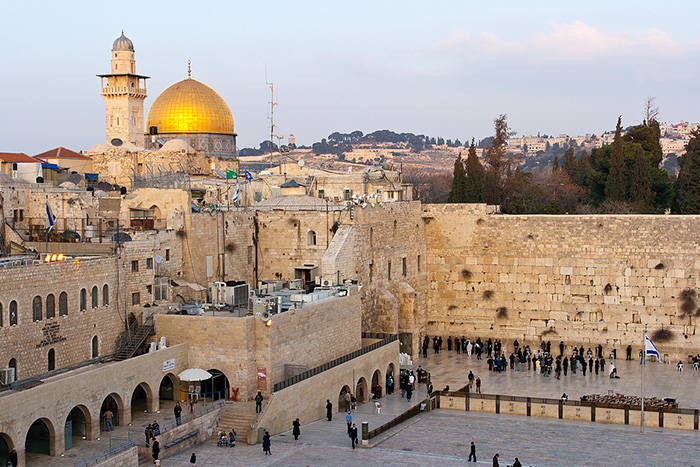
There’s something about Israel that doesn’t fit the usual script of how nations rise and sustain themselves. With a population around 10 million people — barely the size of a mid-sized American city — this small country exerts outsized influence in technology, agriculture, defense, and global innovation.
Unlike oil-rich countries or massive economies, Israel has limited natural resources. It sports little in the way of strategic raw materials, and its land is significantly arid. Despite this, Israel’s economy is highly developed and technologically advanced, with an output that ranks among the highest per person globally.
How does a desert nation — surrounded by geopolitical tensions — thrive?
One of the most striking examples of Israel’s productive transformation is its water technology and agriculture. Nearly 60–80 % of the country’s drinking water now comes from desalination plants, and Israel recycles and reuses far more water than almost any other nation.
The nation has even exported water-management know-how and irrigation systems to neighboring countries. The modern technique of drip irrigation, developed in Israel, has reshaped farming across water-scarce regions worldwide.
In a land where much of the terrain once looked inhospitable, orchards, vineyards, and green fields now flourish — a result of decades of focused innovation.
Even amid persistent conflicts and wars, Israel’s high-tech economy shows remarkable resilience. In 2025 — a year marked by ongoing geopolitical tensions — the Israeli tech sector recorded one of its strongest years ever, with investors paying more than $70 billion to buy Israeli companies or take them public. Israel also saw an increase in global corporations purchasing Israeli products or investing in companies working in online security and AI. And, rather than getting derailed by the ongoing wars, the tense period actually accelerated innovation in Israel, as technologies developed for defense found civilian uses too.
Opposed to common media rhetoric, much of the world is looking at Israel — to invest, not to shun. Israeli companies continue to raise billions in capital with global firms in the process of acquiring or partnering with local startups at historic levels.
Israel is widely known for its defense technologies — and some of these systems have broader global value. The Iron Dome and related missile defense systems have intercepted tens of thousands of threats. These technologies are now exported as defense solutions to other nations — including one nation that originally tried to wipe them out: Germany.
Germany now uses the missile defense systems produced by a people its one-time leader tried to annihilate. This is a classic example of the Israeli determination to triumph over its enemies by thriving in the face of death and hostility.
A retired Israeli colonel recently wrote that Israel’s deepest strength isn’t just in its missiles or markets, but in mutual responsibility, camaraderie, and national identity. These social values, he suggested, are as critical to survival as any physical defense system.
Even critics admit that Israelis have an uncanny ability to stand tall after crises — whether wars, pandemics, or political upheavals — and to rebuild. That capacity to endure loss, recover, regroup, and often thrive again is not merely economic; it’s cultural, psychological, and biblical.
The survival of the Jewish people through exile, persecution, pogroms, the Holocaust, and modern-day antisemitism has no true historical parallel. Most ancient peoples were absorbed into empires and vanished. Israel did not.
The only explanation is that Israel is a chosen people with a God who loves them, cares for them, protects them, and wants their good. Today, we see a people returned to their ancient homeland, flourishing against all odds, and becoming a center of innovation and life in a region that once seemed inhospitable.
But Scripture does not stop at national restoration. The same prophets who foretold Israel’s return to the land also spoke of a spiritual awakening still to come — a day when they would “look upon me whom they have pierced” (Zechariah 12:10) and recognize their Messiah.
God told Abraham that all the world would be blessed through Israel. The greatest promise to Abraham was not technological brilliance or national survival — it was the Saviour of the world through whom all nations would be blessed. Many Jews still await the Messiah and need to be told of His great love and plans for them. Tracts like Love the Jewish People and The Promise are perfect ways to share the love of Jesus to a Jewish heart.
- See more articles on related topics:
- Israel
Products of interest:
-

Love The Jewish People
God has promised to judge those who turn against Israel and bless those who support her. -

Promise, The
Through the story of Abraham, we learn how today's Middle East crisis began, and how God always keeps His promises. -
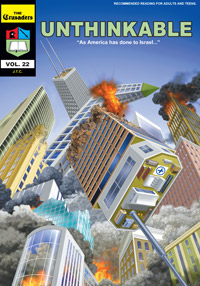
Unthinkable
32-PAGE, FULL COLOR COMIC BOOK - An Adaptation of McTernan's book, "As America Has Done To Israel." God promised to bless Abraham's friends and curse his enemies . . . "FOR EVER." See the little-known link between America's dealings with Israel, and American Prosperity (or disasters).
-

As America Has Done To Israel
320 pages
Is America on a collision course with God? Read the documented history of how God blessed America when she helped Israel, and the many disasters that struck quickly after America double-crossed Israel. -

Somebody Angry?
Is God angry with America for pressuring Israel to give up God's Land? -

Stories from the Bible
176 pages
These beautiful illustrations help tell the true stories of some of the biggest Bible figures. You'll get a fresh mental picture of what it was like for these heroes of the Bible.